Guides

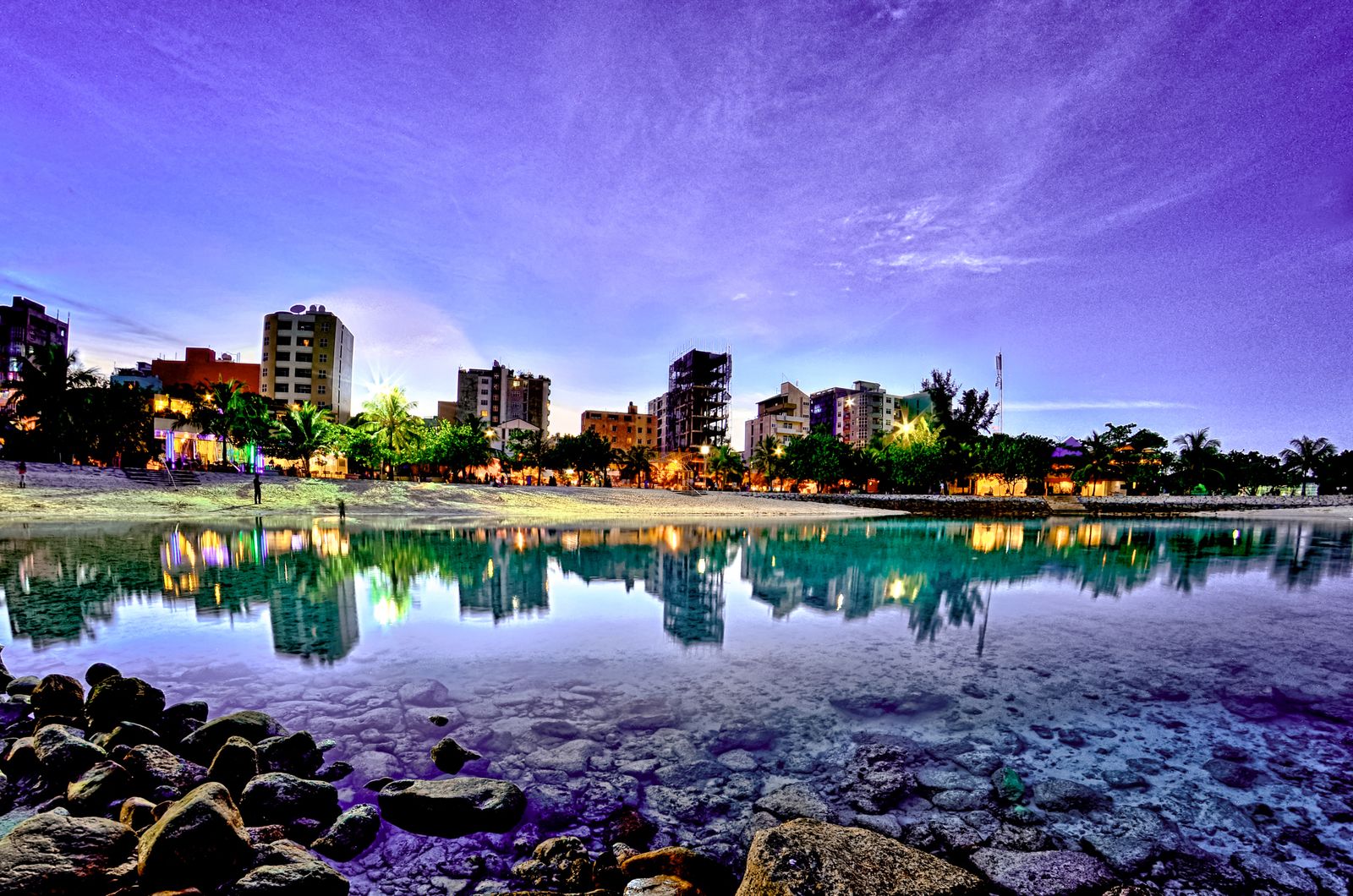
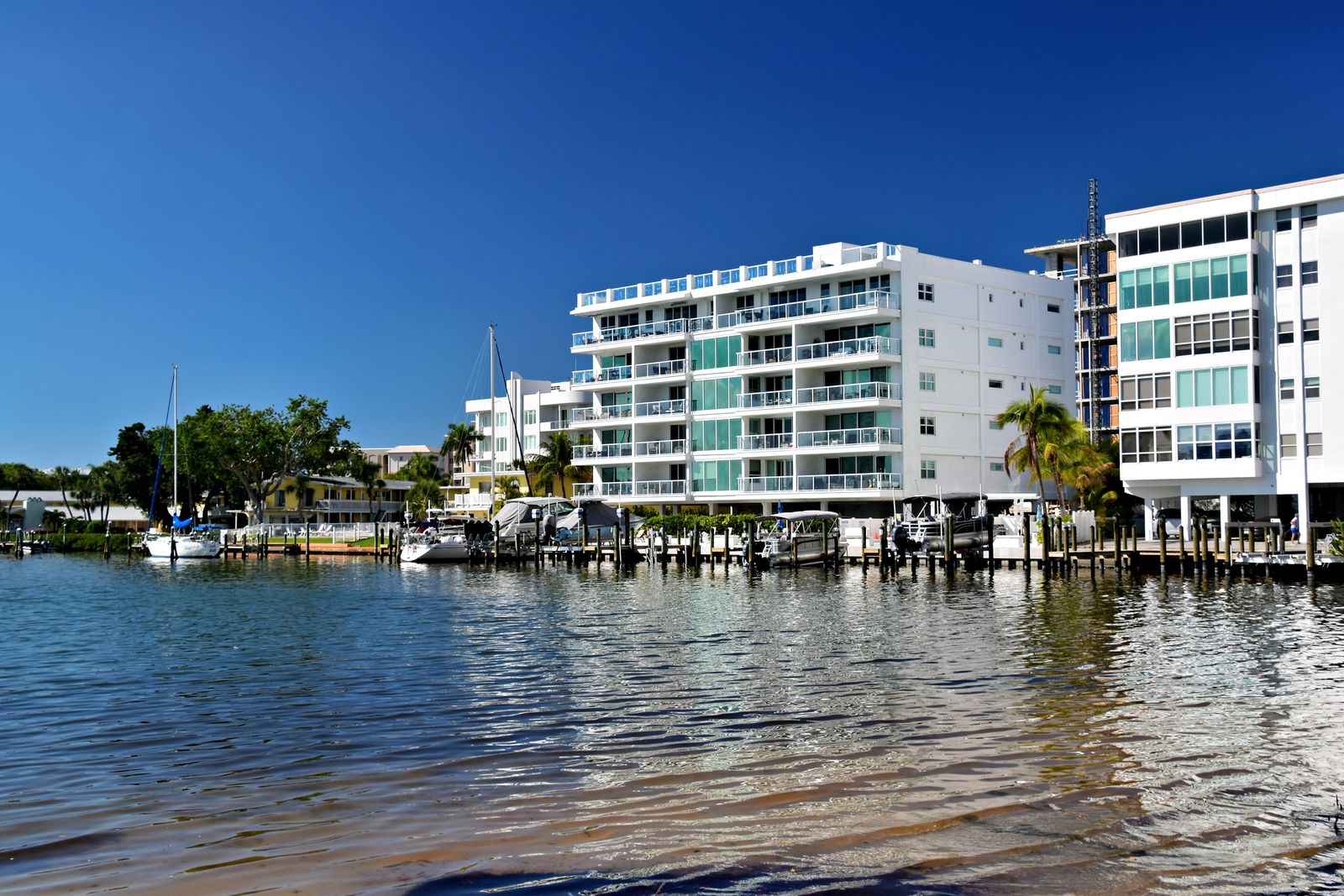
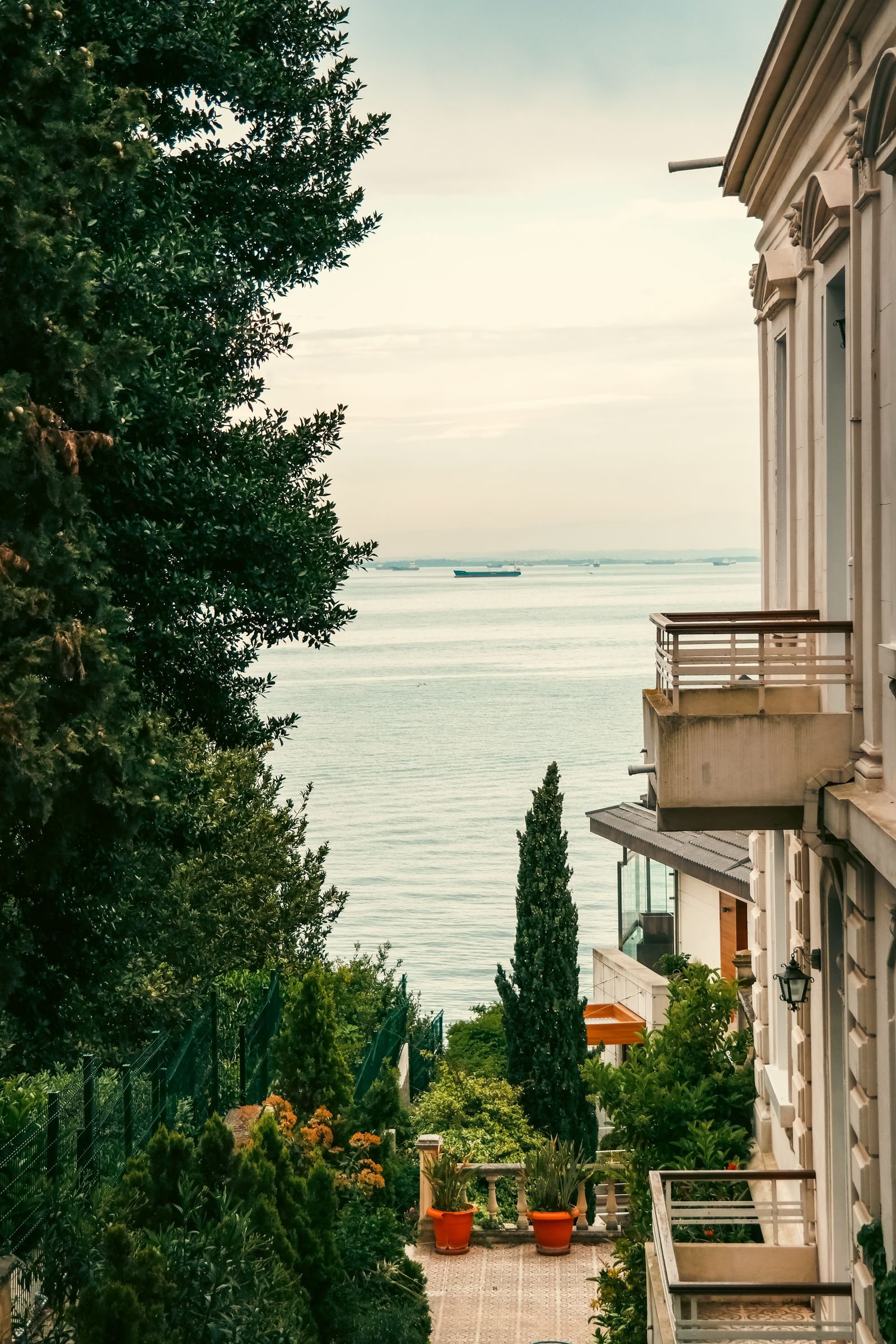
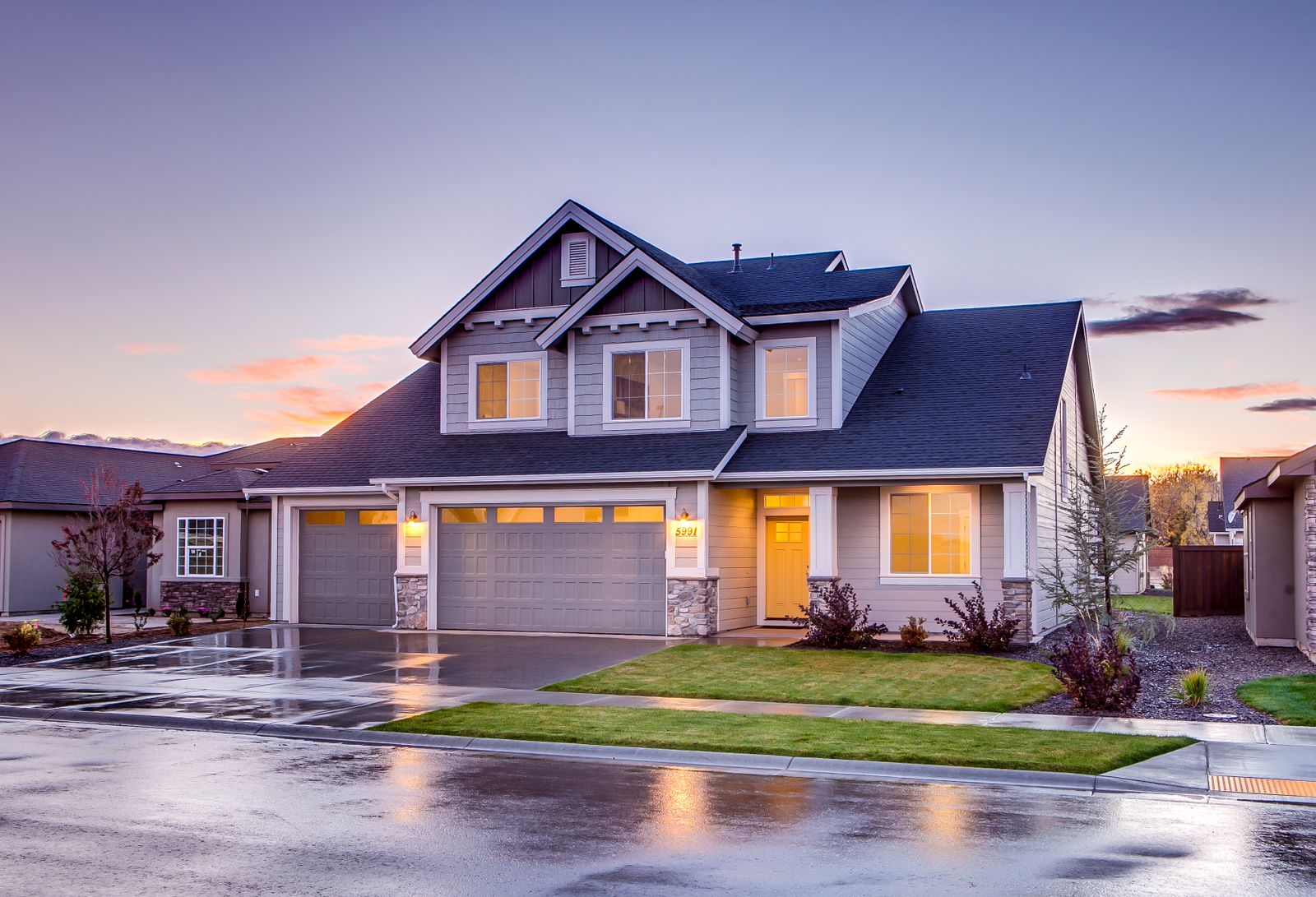
Ten neighbourhoods, properly known.

Written by the agents who live there and sell there. No median-price tables, no school-district rankings, no filler — just what it is actually like on a Tuesday morning.

10 guides Updated 21 Oct 2026
Queen Anne neighbourhood guide

Hills, water, and a very good bakery

Queen Anne

The part of Seattle where you can see the Olympics from the top of the hill and still walk to the grocery store in ten minutes.

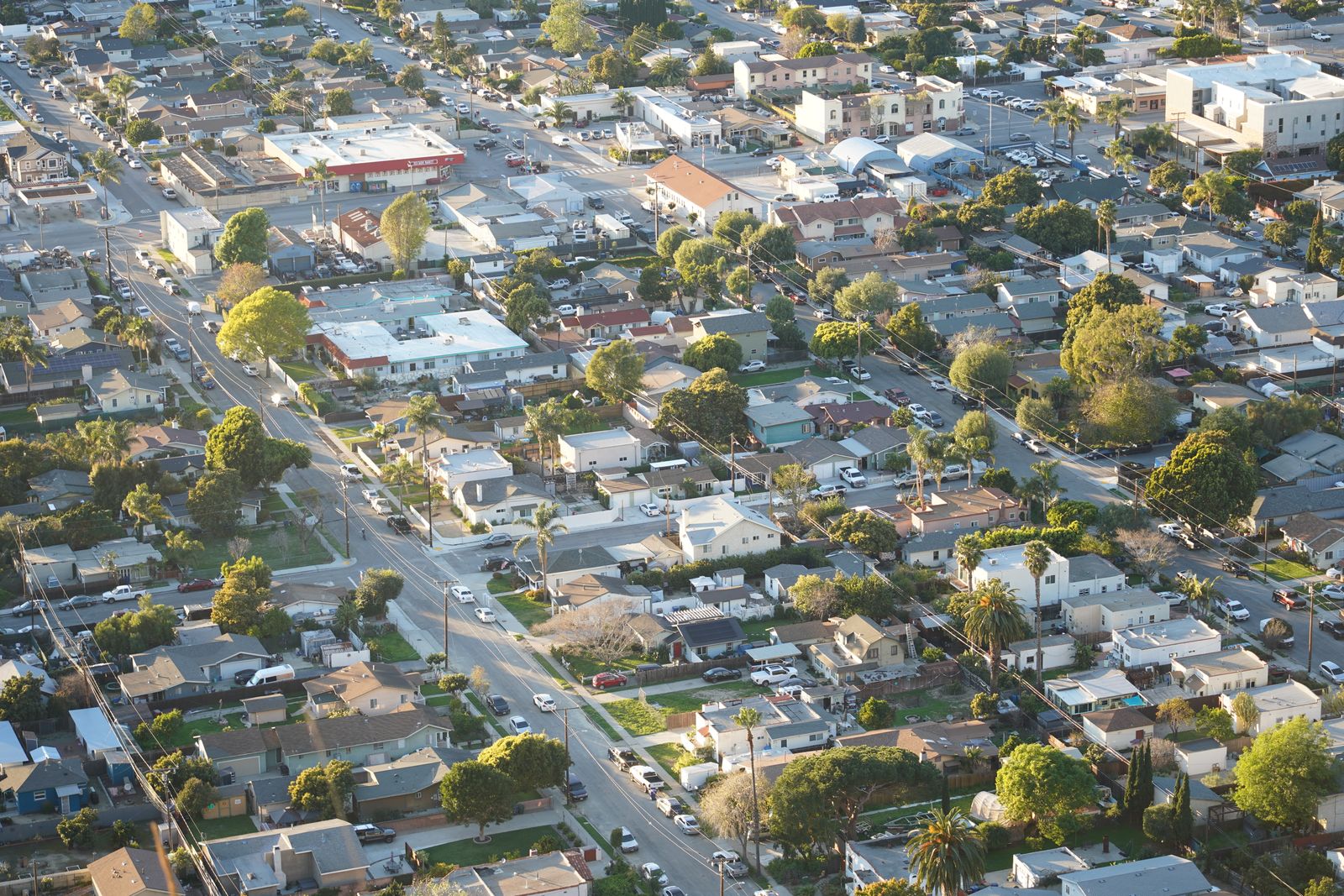
Queen Anne slopes up from the waterfront to the crest of the hill, and every block between the two behaves differently. The lower streets, toward the water, hold the older craft houses on the platted lots. Above them you get the post-war ramblers and, increasingly, the aggressively modern rebuilds that take the view seriously. The Burke-Gilman runs the length of it, which is why the neighbourhood feels bigger than its population.

Median price$1,420,000
Walk score88
Commute to downtown12 min
On Alder & Row1

Our read. Check the sun before you fall for the western aspect. A west-facing great room in November is a different proposition from the same room in June, and it is the single thing buyers in this neighbourhood most often wish they had asked about first.

See homes in Queen Anne
Ballard neighbourhood guide

Where the city keeps its working people

Ballard

A working waterfront that turned into a dining destination without ever quite losing the working part.

Ballard grew around boat-building, and the evidence is still everywhere in the grain of the streets. The old Scandinavian timber houses with their full-width porches sit a block from the anchorages; the new apartment buildings go up on the harder land behind them. The farmers' market on Sunday and the seafood counters on Ballard Avenue are not a tourist gesture — they are how the neighbourhood feeds itself.

Median price$985,000
Walk score95
Commute to downtown18 min
On Alder & Row2

Our read. The interesting inventory is usually on streets nobody writes about — NW 60th, NW 63rd, the blocks east of the avenue. The famous ones sell in a weekend. The quiet ones take a month and cost less.

See homes in Ballard
Capitol Hill neighbourhood guide

Dense, loud, and worth it at the right hour

Capitol Hill

Seattle's most walkable neighbourhood, which means it is at its best on foot and on a Tuesday evening.

Capitol Hill packs light rail, a hospital, a bus interchange, a park, two independent bookshops and roughly forty thousand people into a grid barely two kilometres across. The housing is mostly townhouse and low-rise condominium from the last twenty-five years, with the occasional older craftsman hiding behind a development. Everything is close. That is both the appeal and the complaint.

Median price$1,150,000
Walk score97
Commute to downtown9 min
On Alder & Row2

Our read. Buy on the north side of the light rail line, not the south. The difference is ten minutes of quiet versus ten minutes of a street you cross four times a day, and it is worth roughly two percent of the price.

See homes in Capitol Hill
Downtown neighbourhood guide

A view of the city, with the city underneath

Downtown

High-floor apartments with a Sound view, a concierge, and a monorail outside the door.

Downtown Seattle's residential towers cluster on three edges: the waterfront, the western core around Pike and Pine, and the eastern edge above the rail yards. The buildings are new — most date from the last fifteen years — and the apartments are designed for people who work in the city and want the city at their feet. Sound views go west; the Cascades go east on a clear morning.

Median price$1,050,000
Walk score99
Commute to downtown4 min
On Alder & Row1

Our read. Ask which direction the living room faces before you ask how many square feet it is. A north-west corner on a high floor is the only unit type in these towers that gets both the light and the view, and it is a small subset of the inventory.

See homes in Downtown
West Seattle neighbourhood guide

The peninsula, at its own pace

West Seattle

Beach houses, a working ferry, and forty minutes of nothing much happening, which is the point.

West Seattle is a peninsula with its own ferry, its own junction and its own weather. Alki Drive is the postcard: beach, road, houses, the Olympics across the water. North of the junction the land rises, the lots get bigger, and the housing turns into the ramblers and mid-century houses that the rest of the city cannot really afford any more.

Median price$1,180,000
Walk score74
Commute to downtown24 min
On Alder & Row1

Our read. If a West Seattle listing does not mention the ferry, ask why. The West Seattle ferry at peak times is a different commute to the one you are picturing, and the noise carries a surprising distance inland.

See homes in West Seattle
Fremont neighbourhood guide

Old industrial bones, new ideas

Fremont

A century of making things, and a Sunday market that would rather you did not film it.

Fremont's centre of gravity was always industry: cold storage, shipbuilding, printing, fabrication. Those buildings are still standing and a great many of them are now lofts, studios, breweries and small production spaces. The residential pressure here is relentless, and it is the main reason the old warehouses are worth more as homes than they ever were as anything else.

Median price$1,020,000
Walk score93
Commute to downtown14 min
On Alder & Row1

Our read. Loft buildings vary enormously in sound transmission. Ask what is directly below the bedroom and whether the ground floor is a cafe with an extractor fan, and then go and stand outside at seven on a Saturday morning.

See homes in Fremont
Magnolia neighbourhood guide

The village at the end of the bluff

Magnolia

A wooded bluff above the Sound with one main street, a lighthouse, and a pace that surprises people who have lived in Seattle for years.

Magnolia sits on a peninsula northwest of downtown and behaves like a small town that happens to be twelve minutes from the office. The village on West McGraw is the centre of gravity: a grocery, a hardware store, a couple of restaurants and very little else, which is exactly the point. The housing stock runs from 1920s cottages on the flats to mid-century splits on the bluff, with the largest lots and the loudest views on the water side. Discovery Park takes up the western third of the peninsula, so the density will not change much.

Median price$1,680,000
Walk score62
Commute to downtown18 min
On Alder & Row1

Our read. Walk the route to the village at 8am before you commit. Magnolia is quiet enough that buyers sometimes underestimate how much they will drive, and the bus service on the peninsula is the one thing residents complain about most.

See homes in Magnolia
Georgetown neighbourhood guide

Warehouses, breweries, and a real yard

Georgetown

Seattle's oldest neighbourhood, still zoned for makers, with the largest lots inside the city line and a straight shot to the airport.

Georgetown was annexed in 1910 and has never quite agreed to become residential. That is the appeal. The blocks south of Airport Way hold working warehouses and breweries; the streets behind them hold craftsman houses and the occasional live-work conversion with a genuine shop floor. Lots are wider than anywhere else this close in, which is why buyers who need space for a workshop, a studio or a second structure end up here. The flight path is real, and so is the noise insulation in anything built in the last twenty years.

Median price$895,000
Walk score71
Commute to downtown16 min
On Alder & Row1

Our read. Ask what the building next door is zoned for, not just what it is today. Georgetown's mixed industrial character is the reason the houses are affordable, and it is also the reason a quiet block can change in a year.

See homes in Georgetown
Madrona neighbourhood guide

A warm hill above the lake

Madrona

A south-end hill with a walkable main street, a park at the top and some of the best light in the city.

Madrona runs up from Lake Washington to a ridge with a park on it, and the difference between the two ends is a hundred feet of elevation and about four degrees of temperature. The lower blocks are close, flat and easy; the upper blocks get gardens, views of the lake and the Cascades, and stairs instead of sidewalks in places. Thirty-Fourth Avenue is the commercial spine — a bookshop, a wine bar, a bakery — and it is genuinely used by the people who live there rather than tourists. The housing is mostly 1900s to 1930s, with a steady trickle of careful modern additions.

Median price$1,540,000
Walk score79
Commute to downtown14 min
On Alder & Row1

Our read. Check the school assignment before you fall for the upper hill. Madrona's blocks straddle an attendance boundary, and two houses on the same street can feed different elementary schools.

See homes in Madrona
Ravenna neighbourhood guide

Leafy, level, and ten minutes from everything

Ravenna

A quiet north-side neighbourhood built around a park and a boulevard, where the streets are flat and the trees are older than the houses.

Ravenna is the rare Seattle neighbourhood where you can walk to the grocery, the library, the park and a good coffee without crossing a highway. The boulevard runs diagonally through it, planted with elms, and the houses along it are the ones people photograph. Behind them the streets are level and the lots are ordinary — which is precisely what makes it work for families who want a garden without a retaining wall. The university is a fifteen-minute walk from the southern edge, so there is a steady rental market alongside the owner-occupied stock.

Median price$1,385,000
Walk score84
Commute to downtown13 min
On Alder & Row1

Our read. Look at the block, not the house, if you are buying near the university edge. Ravenna is quiet almost everywhere, but the two streets closest to campus have a rhythm in September that is nothing like the rest of the year.

See homes in Ravenna

Not sure where to start?

Tell us the shape of your week.

Where you have to be, what you need to reach, and how much of the city you would rather not cross. We will tell you which of these ten fits.

Ask an agent